Final Project – How Have Theories of Play and Gamification, Rooted in Cultural, Political, and Economic Systems, Influenced the Development of Gamification Practices in Video Games, Particularly in Navigating Censorship and Shaping Political and Economic Themes?

Brandon Smith

DH 780

12/15/24


How Have Theories of Play and Gamification, Rooted in Cultural, Political, and Economic Systems, Influenced the Development of Gamification Practices in Video Games, Particularly in Navigating Censorship and Shaping Political and Economic Themes?

Introduction
The intersection of play and gamification offers critical insight into cultural, political, and economic systems, with video games frequently serving as powerful tools for both reflecting and critiquing these societal forces. Early theories of play, particularly Johan Huizinga’s Homo Ludens and Roger Caillois’ Man, Play and Games, laid foundational principles for understanding the role of play in human life. Their work emphasized how play, far from being a mere diversion, is integral to the development of societal norms, politics, and economies. These theoretical frameworks have influenced the design of modern video games, particularly in the use of gamification—where game-like elements are applied to real-world systems to engage, educate, and critique.

Today, video games engage deeply with political and economic themes, often navigating the constraints of censorship and cultural sensitivities. With a global gaming market, the way games tackle complex issues like governance, capitalism, and ethics has become a contentious area for developers. This paper will argue that the theoretical foundations of play and gamification, when rooted in historical and contemporary cultural, political, and economic systems, have not only shaped game design but have also given games the power to serve as critical mediums for societal reflection and critique.

Through case studies such as Civilization, Papers, Please, and Airplane Simulator, this paper explores the symbiotic relationship between gamification, political discourse, and economic education. In addition, it addresses the complexities of navigating censorship in a globalized market. This research ultimately seeks to contribute to the ongoing academic discourse on the role of gamification in video games, particularly regarding their potential as tools for education, critique, and political engagement, while highlighting the challenges developers face in a culturally diverse and politically charged environment.

Early Theories of Play and Gamification
Johan Huizinga’s Homo Ludens


In Homo Ludens, Johan Huizinga presents the concept of play as central to the formation of culture. He argues that play is a voluntary, rule-bound activity that exists in a “magic circle” separated from real life. Within this circle, players are free to explore different behaviors and consequences without real-world repercussions. The magic circle concept remains pivotal in understanding how video games simulate complex, real-world systems—from economics and politics to social structures—within a controlled, fictional environment.

For instance, games such as SimCity and Cities: Skylines exemplify how the “magic circle” allows players to simulate the management of cities and urban planning, testing economic theories, handling social issues like crime or education, and experimenting with policies without real-world consequences. Here, Huizinga’s theory of play offers a lens to understand how video games act as a microcosm of society where players experience the dynamics of power, governance, and economics.

Huizinga’s notion of “play” extends beyond entertainment, allowing players to critique societal norms and experiment with alternative political or economic models. It is this freedom and flexibility within the magic circle that has allowed games to explore diverse, often politically charged themes.

Roger Caillois’ Taxonomy of Play
Roger Caillois, in Man, Play and Games, categorizes play into four primary forms:

  • Agôn (competition)
  • Alea (chance)
  • Mimicry (role-playing)
  • Ilinx (physical sensation)

These categories illuminate how different video game genres create distinct player experiences. Competitive games such as Monopoly or Street Fighter focus heavily on agôn, emphasizing skill, strategy, and rivalry. Role-playing games (RPGs) like The Witcher or The Elder Scrolls rely on mimicry, immersing players in alternate worlds where they embody characters, navigate political landscapes and make economic decisions. In contrast, Ilinx-focused games such as Mirror’s Edge emphasize physical sensation and vertigo, often through intense, high-speed parkour movement.

Caillois also contrasts paidia (spontaneous, free-form play) with ludus (structured, rule-bound play). This distinction is vital for understanding the balance in many video games, where open-world exploration (paidia) exists alongside more structured quests or challenges (ludus). Games like Grand Theft Auto V offer expansive worlds that allow players to roam freely while also providing structured missions that contribute to an overarching narrative or thematic exploration.

Economic and Political Roots of Gamification
Historical Use of Games for Economic Modeling


The roots of gamification in economic systems can be traced back to the early 20th century. One of the first examples of a game designed with the intent to critique capitalism is The Landlord’s Game, the precursor to Monopoly. Originally designed by Elizabeth Magie in 1903, The Landlord’s Game was intended to demonstrate the social and economic consequences of monopolistic practices. Magie’s design later evolved into the game we know today, which, though still a critique of capitalism, is often played without an understanding of its origins.

Modern video games such as Stardew Valley and EVE Online demonstrate how gamification can be a tool for modeling complex economic behaviors. In Stardew Valley, players manage a farm and engage in economic exchanges, balancing production with market demand. Similarly, EVE Online offers a complex virtual economy where players engage in trade, resource management, and speculative trading, mirroring the real-world intricacies of global capitalism and finance.

Games like The Sims and SimCity also allow players to engage with economic systems, from managing household budgets to constructing entire cities. By simulating the flow of money, goods, and services, these games offer intuitive insights into the interconnectedness of economic systems. These simulations allow players to experiment with different economic models, providing education on topics like budgeting, resource allocation, and the impact of various economic policies.

Political Simulations and Strategy Games


Political simulations have gained significant popularity in recent years, with games like Democracy 4, Civilization VI, and Tropico offering players the chance to experiment with governance. In Civilization, players build empires, manage resources, and engage in diplomacy or warfare, navigating the complexities of social, political, and economic decision-making. These games often mimic real-world political dynamics, forcing players to balance the demands of military expansion, economic growth, and social stability. Players can also experiment with political ideologies, such as democracy, communism, or fascism, and observe their consequences on the game’s virtual society.

Political simulations not only entertain but also encourage critical thinking about real-world governance. They present complex, often intractable issues, such as the role of military expansion or the ethics of colonialism, in ways that force players to confront uncomfortable questions about the real world. The use of war games in military training further underscores gamification’s potential as a tool for both education and policy critique.

Contemporary Gamification Practices in Video Games
Navigating Censorship in Gaming


Censorship in video games is a constant challenge, particularly when addressing politically sensitive themes. Games often have to navigate the regulatory landscape of various countries, each with its own restrictions on the portrayal of violence, politics, or controversial issues. For example, Airplane Simulator faced backlash for including scenarios reminiscent of the 9/11 attacks, forcing developers to remove certain content to meet cultural sensitivities. Similarly, Blizzard Entertainment’s decision to penalize players for supporting Hong Kong protesters during a 2019 tournament sparked global debates about the role of corporations in moderating political speech in games.

Hand gestures, symbols, and cultural references are also subject to censorship, as their meanings can vary drastically across cultures. For instance, Nazi symbols are often banned in Germany, while other countries impose restrictions on depictions of religion, sexuality, or political movements. Developers must strike a delicate balance between creating games that resonate with global audiences and avoiding offending players in sensitive markets.

Gamification in Economic and Political Education
Beyond entertainment, gamification increasingly serves as a tool for economic and political education. Virtual environments like EVE Online create complex, functioning economies that mirror real-world markets. Players can buy, sell, and trade virtual commodities, providing insight into the mechanisms of capitalism. Similarly, Democracy 4 allows players to experiment with policy decisions, exploring the trade-offs between taxation, healthcare, and environmental protection. These games provide opportunities for players to learn about economics and politics in an engaging, interactive environment.

In this sense, gamification serves both as a pedagogical tool and a platform for critical reflection on political and economic systems. It allows players to experiment with policy and governance decisions, deepening their understanding of the complexities of societal management.

Case Studies of Political and Economic Themes in Video Games
Civilization: Balancing Expansion and Diplomacy


The Civilization series exemplifies how video games incorporate political and economic theories into their gameplay. As players build empires, manage resources, and engage in diplomacy or warfare, they must navigate the competing demands of military expansion, economic stability, and social welfare. The game’s mechanics reflect real-world challenges, such as the need to balance technological advancement with resource management and the importance of maintaining alliances while expanding borders. Civilization challenges players to think critically about governance, strategy, and the long-term consequences of their decisions.

Papers, Please: Navigating Bureaucracy and Ethics


In Papers, Please, players assume the role of an immigration officer in a fictional totalitarian state. The game explores themes of bureaucracy, surveillance, and the ethical dilemmas faced by individuals within an oppressive regime. As players process immigration documents, they must balance efficiency with empathy, deciding whether to admit or deny entry to immigrants based on an ever-changing set of rules. This dynamic mirrors real-world tensions in immigration policy, where bureaucratic decisions can have life-altering consequences for individuals.

The game’s stark portrayal of political control and economic hardship underscores gamification’s potential to foster empathy and critical thinking. By putting players in the position of making moral decisions under pressure, Papers, Please challenges players to reflect on the broader implications of their actions in the real world.

Airplane Simulator: Censorship and Political Sensitivity

Airplane Simulator serves as an intriguing case study for examining how political and cultural sensitivity intersects with game design. The game, which simulates air travel and various emergency scenarios, faced significant backlash for scenarios that seemed eerily reminiscent of the tragic 9/11 attacks. Developers were forced to remove content to appease regulators and avoid alienating international audiences. This case exemplifies how global markets influence game content, especially when developers must navigate censorship laws, including those that restrict depictions of violence or politically sensitive events. Airplane Simulator’s experience with censorship is reflective of a broader trend in the gaming industry, where content is often altered to align with local cultural norms and political expectations.

The issue of censorship is not just about removing certain content; it’s about the broader implications of these changes on the narrative and the game’s ability to engage with critical political themes. The decision to alter or remove content in the name of avoiding controversy challenges developers’ ability to fully explore politically sensitive topics. The tension between artistic expression and the market-driven nature of the gaming industry often forces game creators to compromise on their ability to critically address political or social issues.

This dynamic is particularly evident in titles like Call of Duty, which frequently contains content reflecting real-world geopolitical conflicts. The portrayal of violence and military operations often requires modifications for regional releases, further complicating the developer’s role in conveying their intended message. This raises questions about the ethical responsibility of game designers and the limits of free expression in the context of globalized, commercialized game development.

Political and Economic Engagement through Gamification

Gamification has proven to be a versatile tool for engaging with economic and political themes in ways that traditional media often cannot. By immersing players in virtual worlds where they directly interact with economic systems, political structures, and social norms, games offer an experiential learning opportunity. Players do not simply learn about economics or politics—they actively participate in them. This participatory nature of games allows players to experiment with policies, economic strategies, and governance structures, offering them a deeper understanding of these systems.

For example, SimCity and Cities: Skylines allow players to build and manage cities, making decisions about taxation, infrastructure, and resource distribution. These decisions have real-world consequences within the game, and players are often forced to balance competing interests, such as economic growth, environmental sustainability, and social welfare. The challenge of balancing these competing priorities mirrors the dilemmas faced by policymakers in real-world governance. These games, therefore, not only entertain but also educate, teaching players about the complexities of urban planning, resource management, and the impact of political and economic decisions on society.

Similarly, Democracy 4 provides a platform for players to assume the role of a political leader, making decisions on everything from taxation and healthcare to foreign policy. The game’s focus on policy experimentation allows players to test different political ideologies and see the outcomes of their decisions. In this way, the game functions as a tool for both political education and critique, encouraging players to reflect on the role of government in society and the challenges that leaders face in balancing competing interests.

Games like these underscore the potential of gamification to serve as a tool for political and economic education. By allowing players to experiment with policies and governance decisions in a safe, controlled environment, these games provide valuable insights into the complexities of real-world political and economic systems.

Games as Political Critique

While gamification offers a unique platform for political engagement, many games also serve as direct critiques of political and economic systems. Papers, Please is a prime example of how games can challenge players to think critically about authoritarianism, bureaucracy, and ethics. The game places players in the role of a border control officer in a totalitarian state, where they must make decisions that affect the lives of immigrants seeking entry into the country. The game forces players to confront the moral dilemmas inherent in bureaucratic systems, where rules and regulations often supersede individual rights and freedoms.

The choices players make in Papers, Please have real-world implications, making the game an effective vehicle for raising awareness about the human cost of oppressive political regimes. By putting players in a position of authority, the game encourages them to consider the ethical dimensions of their decisions and reflect on the broader consequences of political systems that prioritize efficiency over empathy.

Papers, Please also highlights the power of games to explore political themes in a way that engages players emotionally. By forcing players to confront difficult moral choices, the game fosters empathy for those affected by oppressive political systems. This emotional engagement is a key component of gamification, as it enhances the player’s understanding of political and social issues while also encouraging critical reflection on their own values and beliefs.

Similarly, Spec Ops: The Line serves as a critique of militarism and the glorification of war in video games. The game’s narrative centers on a group of soldiers sent on a mission to Dubai, where they encounter the moral and psychological consequences of their actions. Through its gameplay and narrative, Spec Ops: The Line challenges the traditional heroic narrative found in many military-themed video games, forcing players to question the morality of war and the effects of violence on both soldiers and civilians.

These examples demonstrate how games can function as powerful tools for political critique, offering players a unique opportunity to engage with complex social and political issues. Through their interactive nature, games can foster a deeper understanding of political systems and encourage players to reflect on their own role in shaping the world around them.

Fable: The Role of Morality and Political Systems in Game Design

Fable, developed by Lionhead Studios and released in 2004, is a highly influential action RPG that blends traditional fantasy elements with unique gameplay mechanics, most notably its dynamic moral system. The game allows players to make choices that significantly affect their character’s morality and the world around them. The narrative and design of Fable explore complex political and social themes, offering a rich example of how games can incorporate systems that reflect societal issues, power dynamics, and personal agency.

Moral Choices and the Illusion of Freedom

One of the key features of Fable is its morality system, where player actions throughout the game directly impact the character’s alignment, altering their appearance, abilities, and interactions with NPCs. Good deeds, such as helping townspeople and defeating evil creatures, make the player’s character appear virtuous, while evil actions, like committing crimes or betraying allies, lead to a more sinister transformation. This system introduces a moral dichotomy where the player must balance the benefits of power and freedom with the consequences of their decisions.

While Fable presents the illusion of a free and open moral system, it also critiques the nature of choice within constrained political systems. The game’s design highlights how personal morality can intersect with societal expectations and the limitations of the world around the player. In many ways, the morality system of Fable reflects the tension between individual autonomy and social control, with the player’s ability to influence the world often feeling constrained by the game’s narrative structure.

This interplay between choice and consequence aligns with Johan Huizinga’s theory of play as a framework for understanding Fable’s moral system. According to Huizinga, play creates a space where real-world rules are temporarily suspended, allowing players to experiment with moral decisions and explore their own values. Fable offers this space, but the consequences of players’ actions suggest that even within the confines of a fictional world, moral and political systems can shape and limit the freedom of the individual.

Political Systems and the Quest for Power

In Fable, the theme of political systems is deeply intertwined with the player’s journey. The protagonist’s actions and alignment determine their ability to influence the world, leading to multiple possible endings based on whether they choose to rule as a benevolent monarch or a tyrant. The game presents a political landscape where power is earned through personal decisions, and this power can be used to reshape the world in either a positive or destructive way.

The player can become a hero or villain, and with that comes the political responsibility to govern the kingdom, manage resources, and make laws that affect the game world. This aspect of the game reflects Fable’s commentary on the nature of political authority and leadership. The player’s role in shaping the kingdom mirrors real-world political power structures, where leaders often make decisions that affect the lives of others, for better or worse. This connection to political systems and power is reminiscent of Roger Caillois’ theory of play, which focuses on how games mirror social structures and how play can reflect the exercise of power in society.

By making choices that affect the world politically and morally, Fable invites players to critically engage with themes of leadership, authority, and governance. These choices often highlight the trade-offs between personal power and societal well-being, offering an opportunity to reflect on how political decisions are made in the real world and the potential for both good and harm.

Cultural Critique and Social Commentary

Fable also serves as a critique of societal norms, values, and the human condition. Through its fantasy setting, the game presents a simplified version of the political and social systems that govern real-world societies. The kingdom of Albion, in which the game takes place, is a place where the effects of class, wealth, and moral choices are heavily emphasized. Social inequalities, such as the division between the rich and the poor, are represented in the game world, and players can interact with these societal issues in meaningful ways.

The game encourages players to challenge the status quo, whether through charitable acts or by exploiting the systems in place for personal gain. These interactions form a social commentary, drawing attention to the ways in which power, morality, and class shape individuals’ lives. Fable acts as a microcosm of the larger societal structures in the real world, allowing players to reflect on their own values and the impact of their actions on others.

Additionally, the game’s use of humor and satire amplifies its critique of political and social systems. Characters, quests, and dialogue often poke fun at traditional fantasy tropes, such as the “chosen one” hero or the corrupt politician, offering a satirical commentary on political systems and the personalities that inhabit them. This aspect of Fable aligns well with the framework of cultural critique as outlined by Mary Flanagan in her work on the cultural dimensions of games. By creating a world that mirrors societal issues while using humor to critique them, Fable invites players to question the systems they live within.


Conclusion:

In conclusion, the intersection of play and gamification in video games has proven to be a powerful medium for reflecting, critiquing, and shaping political and economic systems. Theories of play, such as those by Johan Huizinga and Roger Caillois, laid the foundation for understanding how games simulate real-world systems, providing both a space for experimentation and critique. As games have evolved, they have increasingly engaged with political and economic themes, offering players the opportunity to explore complex issues such as governance, capitalism, and the ethical ramifications of their decisions. Games like Civilization, Papers, Please, and SimCity showcase the ways in which gamification can not only entertain but also educate, fostering critical thinking about societal structures. However, as demonstrated through case studies involving censorship, such as Airplane Simulator, the influence of global markets and cultural sensitivities often forces developers to navigate complex challenges. Ultimately, gamification in video games serves as a tool for both political education and critique, providing a unique platform for players to engage with and reflect on the intricacies of real-world systems.

Reflection:

Reflecting on the impact of gamification in video games, it is clear that the practice offers a unique lens through which players can interact with complex political and economic issues. The ability to simulate governance, manage resources, and make moral decisions in a controlled environment not only enhances the educational value of video games but also provides a space for societal reflection. Through games like Papers, Please, which forces players to confront ethical dilemmas in an authoritarian state, and SimCity, which challenges players to balance economic growth with social welfare, the medium demonstrates its potential to provoke thoughtful discussions about real-world systems.

However, the influence of cultural and political forces cannot be ignored. Developers often find themselves walking a fine line between artistic expression and market demands, especially when it comes to addressing sensitive issues. The example of Airplane Simulator serves as a reminder of the constraints that censorship can impose on game design. Despite these challenges, the ongoing evolution of gamification in video games signals a growing recognition of the medium’s potential as a tool for political engagement and critique. As the global gaming industry continues to expand, the role of gamification in shaping both societal norms and individual perspectives will undoubtedly become an even more significant area of exploration in the coming years.

Works Cited:

Caillois, Roger. Man, Play and Games. University of Illinois Press, 2001.

Huizinga, Johan. Homo Ludens: A Study of the Play-Element in Culture. Beacon Press, 1955.
 

Brandon Smith – Research Proposal, The Roots of Gamification and Its Relationship with Economic and Political Theory

Brandon Smith
Digital, Building, Playing, Thinking
DHUM 7800
11/6

MLA Format

The Roots of Gamification and Its Relationship with Economic and Political Theory

Research Question:
How have early theories of play and gamification, rooted in economics and political conflict, influenced the development of contemporary gamification practices, particularly in economic modeling and political simulations?

Proposal
This proposal seeks to examine the intellectual roots of gamification by tracing its early foundations in economics and political theory. By analyzing seminal works, such as John von Neumann and Oskar Morgenstern’s Theory of Games and Economic Behavior (1944), Clark Abt’s contributions to the “serious games” movement during the Cold War, and H.G. Wells’s Floor Games (1911) as an early example of wargaming, I aim to investigate how these theories of game mechanics intersected with serious fields like economic modeling and political conflict theory. This study will explore how these early applications of game theory contributed to our current understanding of gamification, laying the groundwork for the integration of game elements into non-game contexts.

Background
The notion of applying game-like structures to real-world problems has a long-standing history that predates modern “gamification” as we understand it today. Game theory, a branch of mathematics formulated by von Neumann and Morgenstern, aimed to provide a framework for rational decision-making in economic contexts. Their work was revolutionary, introducing the idea that competitive interactions could be modeled mathematically, thus bridging the gap between economics and strategic decision-making.

During the Cold War, Clark Abt expanded on these principles in a new context, advocating for “serious games” to simulate potential political and military scenarios. His contributions are essential to the gamification discourse, as they illustrate how play could serve as a strategic tool for understanding real-world conflicts and ideological struggles. Abt’s theories laid the groundwork for using simulation as an educational and policy-making tool, encouraging interactive learning and active participation in hypothetical scenarios.

Additionally, H.G. Wells’s Floor Games and later Little Wars (1913) represent early forms of wargaming, which transformed “play” into a structured and rule-governed way of engaging with military strategy. Wells’s work highlighted the potential of games to serve not only as entertainment but also as a vehicle for strategic thought, contributing to an early conceptualization of “gaming” as a valuable intellectual exercise.

My Reasons
This research aims to:

  1. Examine how early game theory by von Neumann and Morgenstern influenced economic and strategic thinking, particularly focusing on decision-making under competitive conditions.
  2. Analyze how Clark Abt’s concept of serious games contributed to the idea of gamification, specifically in political and educational contexts.
  3. Investigate how H.G. Wells’s early wargaming efforts offered insights into play as a tool for understanding military and political strategy.
  4. Synthesize these early theories to understand the philosophical underpinnings of gamification and its applications today.

Methodology and Sources
To address these objectives, the study will involve a close reading of primary texts and an analysis of secondary scholarship:

  • Theory of Games and Economic Behavior by John von Neumann and Oskar Morgenstern will be used to unpack how competitive strategy was mathematically modeled and how these theories were applied to real-world economic and political scenarios.
  • Clark Abt’s concept of serious games, discussed in Serious Games (1970), will be examined to understand how gamified structures have been used to simulate political conflicts, with emphasis on Cold War military and ideological scenarios.
  • H.G. Wells’s Floor Games and Little Wars provide a historical example of wargaming, where play served as a method for exploring and understanding military strategies in an accessible, simulated form.

These sources, alongside secondary analyses from digital humanities scholars on the influence of games on societal structures, will help contextualize these theories within a broader historical trajectory of gamification.

Literature Review and Theoretical Context:
Several scholars have examined the influence of game theory on both economics and politics, such as Katie Salen and Eric Zimmerman’s Rules of Play: Game Design Fundamentals, which contextualizes game mechanics and design within larger social frameworks. Jane McGonigal’s work on the psychological impacts of gamification, particularly in Reality Is Broken, offers insights into how gamified experiences impact individual behavior and decision-making in structured environments. These texts provide a modern interpretation of gamification, which builds upon the foundational theories of von Neumann, Morgenstern, Abt, and Wells.

What I aim to find
This research is expected to reveal how early theories of play, decision-making, and simulation provided intellectual frameworks that have influenced the gamification of non-game environments today. Specifically, by grounding gamification in fields like economics and political theory, we can better understand the ethical and practical implications of applying game mechanics to areas such as business, education, and policy-making.

The findings may also provide insights into potential risks, such as oversimplification in gamified models or ethical concerns when “playing” with real-world scenarios. Ultimately, this research hopes to contribute to the digital humanities field by examining the philosophical underpinnings of gamification and how these early theories continue to shape our understanding of interactive, simulated experiences in both digital and real-world environments.

Conclusion:
Through this study, I intend to deepen our understanding of gamification by exploring its roots in economic and political theory. By situating gamification within this historical context, I hope to accomplish long-lasting efforts to ongoing conversations in the digital humanities about the transformative potential of game mechanics, as well as the ethical considerations that arise when applying these theories to serious fields.


Block #4 (late) Bogost’s Concept of Procedural Rhetoric, in Flight Simulator and Truck Simulator

Microsoft Flight Simulator Review – Head In The Xbox Clouds - GameSpotAmerican Truck Games Simulator 0.8 for Android/iOS - TapTap

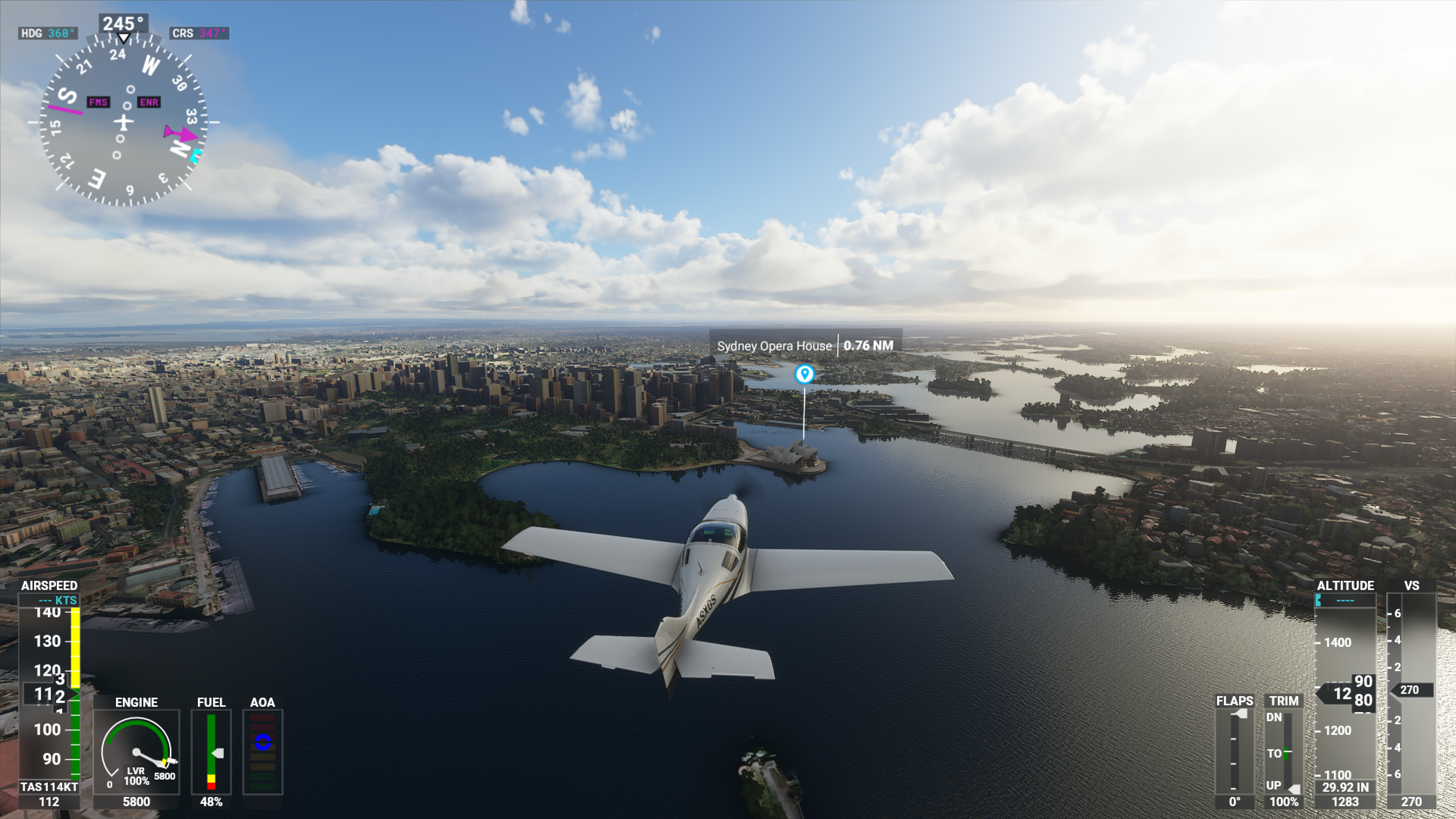
Simulation games like Microsoft Flight Simulator and Truck Simulator are well-loved for their immersive, lifelike recreations of real-world experiences. Beyond entertainment, these games serve as windows into the complex policies and systems of aviation and logistics, reflecting Ian Bogost’s idea of procedural rhetoric. Through rules and mechanics, they simulate the regulated environments of flight and transport, giving players first-hand exposure to the systems that underpin these industries. Let’s take a closer look at how both games illustrate Bogost’s theory and offer a unique understanding of the everyday policies and protocols that govern these sectors.

Microsoft Flight Simulator: The Rules of the Skies

Microsoft Flight Simulator is famous for its dedication to realism, offering players a near-authentic experience of flying everything from small private planes to commercial airliners. In this game, players encounter a range of protocols, from flight paths and real-time weather changes to communication with air traffic control, which all mirror the detailed structure of actual aviation policies.

Air Travel Policies in Action

To fly effectively, players must navigate a series of in-game regulations that simulate real-world aviation procedures. For example, every flight must follow established flight paths and maintain certain altitude levels, reflecting the protocols that ensure safety and efficiency in actual air travel. Moreover, pilots-in-training within the game must communicate with simulated air traffic controllers, mimicking the strict oversight provided by agencies like the Federal Aviation Administration (FAA) and other regulatory bodies.

This system-oriented design showcases the intricate rules that structure air travel, demonstrating the need for policies that govern everything from air traffic coordination to pilot and crew conduct. By following these in-game procedures, players gain an appreciation for the structured nature of aviation and the countless safeguards that allow for safe and smooth air travel.

Learning Through Procedural Rhetoric

In Bogost’s terms, Microsoft Flight Simulator uses procedural rhetoric to communicate the complexity of aviation rules and guidelines. Rather than simply reading about these policies, players must actively engage with them by completing checklists, adhering to route restrictions, and managing fuel levels. Through interaction, players learn how these rules create a controlled environment that balances individual pilot actions with broader safety concerns, allowing them to experience the demands of the aviation industry from the cockpit.

Truck Simulator: The Logistics of Transportation

In Euro Truck Simulator and American Truck Simulator, players take on the role of truck drivers hauling freight across highways, delivering goods across regions, and handling day-to-day logistics. Much like Microsoft Flight Simulator, these games don’t merely offer a point-A-to-point-B experience; they replicate the policies and protocols that make real-world logistics possible.

Policy-Driven Gameplay

As truckers in the game, players encounter a range of regulations mirroring those in the actual trucking industry. For instance, players must adhere to speed limits, pay tolls, take mandatory rest breaks, and manage fuel, all of which are grounded in real-world policies designed to ensure safety and efficiency. By including these requirements, the game reflects the regulated environment of commercial trucking, where policies around driver hours, cargo weight, and safety standards play a critical role.

One significant mechanic in Truck Simulator is the rest requirement, which mandates that drivers stop and rest to avoid penalties. This mechanic mirrors laws that enforce mandatory break times for truck drivers, designed to reduce fatigue-related accidents and promote safe driving practices. Players learn through these mechanics that logistics is about more than just transportation—it’s about balancing efficiency with health and safety, as regulated by strict policies.

Experiencing Systems and Procedures

Through its mechanics, Truck Simulator creates a procedural rhetoric that helps players appreciate the real-world constraints of trucking. These rules aren’t just obstacles; they communicate the structured systems that keep transportation networks running smoothly. By taking scheduled breaks, paying tolls, and managing cargo within certain limits, players gain insight into the intricate processes that underpin logistics and the importance of policies that protect drivers, manage road conditions, and keep supply chains moving.

Real-World Systems in Simulation Games

Both Microsoft Flight Simulator and Truck Simulator demonstrate Bogost’s idea of procedural rhetoric by embedding real-world policies within their gameplay. These games don’t simply tell players about aviation and trucking rules—they simulate them, allowing players to directly engage with the systems and policies that shape these industries.

The appeal of these games lies in their ability to simulate the regulated environments of aviation and logistics, where strict procedures govern each step. In Microsoft Flight Simulator, players learn to appreciate the structured nature of air travel and the protocols that ensure safety. In Truck Simulator, players experience the balancing act of efficiency, safety, and policy compliance that makes modern trucking possible. Together, these simulations allow players to engage with the rules and procedures that define two critical industries, offering a new perspective on the systems that enable modern travel and commerce.

Conclusion: Simulations as Tools for Understanding

In Persuasive Games, Ian Bogost argued that games could make arguments and communicate ideas by simulating real-world systems. Microsoft Flight Simulator and Truck Simulator exemplify this concept through their structured mechanics, which invite players to navigate the procedural realities of aviation and trucking. By embedding policies and protocols within gameplay, these simulations provide a unique, interactive look into industries that are as structured as they are essential.

These games let players experience the routines, challenges, and responsibilities involved in these fields, demonstrating how policies and systems influence individual actions. They remind us that even in a virtual world, rules matter, and understanding them helps us gain a deeper appreciation for the industries that keep us moving forward.


Blog Post #3 (late) Duolingo’s Gamified Language Experience, Instant Gratification?

Learning a language has always been a challenging yet rewarding pursuit. Duolingo, a widely popular app, has turned this endeavor into an engaging, game-like experience. Through colorful badges, streaks, and leaderboards, users dive into what feels like a playful competition, though beneath this lies a structured, disciplined system. Drawing from Foucault’s views on disciplinary frameworks, Sicart’s ideas of meaningful play, and Zuboff’s insights on exploitation, let’s examine how Duolingo guides users toward language fluency, the pleasures it offers, and the ethical concerns it raises.

Self Discipline in learning languages

Duolingo’s setup isn’t just a platform for vocabulary drills; it’s a structured environment that nudges users to commit to daily practice, establishing routines that soon feel automatic. Through streaks, XP rewards, and a constantly visible leaderboard, Duolingo structures user behavior to create daily engagement and a sense of achievement for consistent practice. This setup resonates with Foucault’s ideas on discipline – a system that encourages repeated actions until they become habitual. Over time, missing a day feels significant, and breaking a streak can feel like a failure, subtly reinforcing the discipline that keeps users on track.

The competitive elements heighten this sense of discipline. By ranking users based on their performance, the leaderboard makes language practice more than just a personal goal. With every point that gets them closer to the top, users are motivated by a social incentive to keep up. Through these incentives, Duolingo encourages not just simple studying but a competitive urgency that can become a powerful habit.

Progress and Meaningful Achievement

By combining playful elements with language study, Duolingo taps into what Sicart calls “the good life” in games: pursuing meaningful goals in ways that feel pleasurable leaning more towards desirable even. Every aspect of the app’s design is aimed at making users feel like they’re progressing, whether through completing daily goals, maintaining streaks, or receiving badges for achievements. With each success, users get that quick dopamine hit – a rush from knowing they’ve made progress.

This aspect of Duolingo creates a loop of immediate satisfaction that brings users back day after day. Completing a lesson or reaching a milestone satisfies our need for instant gratification, as it offers a quick feeling of accomplishment. The leaderboard, in particular, combines both the personal thrill of progressing in language and a social reward: seeing oneself climb the ranks among peers. Yet, while these rewards add motivation and enjoyment, they sometimes shift the focus away from actual language mastery toward simply “winning” the app’s rewards in my case I found my competitiveness to be the best triumph over processing and retaining information that was meant to teach me.

Underneath the Games Skin, Behavioral Surplus in Action

Duolingo also aligns with Shoshana Zuboff’s ideas on “behavioral surplus,” gathering and using extensive data on user behavior as a form of valuable insight. The platform captures information with each interaction, logging every choice, habit, and daily return, all of which help shape how the app functions and adapts. This type of method ensures that the app is working as intended and users are getting the proper analytical data that they don’t even know is constantly adapting the more they engage with the app This data collection, while vital for app improvements, raises questions about the motives behind these gamified elements.

Beyond simply helping users learn languages, Duolingo is an ecosystem built to optimize engagement, with features like streaks, notifications, and leaderboards that increase retention. This means the app might prioritize short-term engagement strategies rather than designing for lasting language competency. While I do think that short-term engagement is feeding the brain information one can’t retain, this is the kind of short-term engagement that users give to most apps they use on a daily basis. The use of these gamified elements, while reinforcing discipline and routine, can blur the line between learning and data collection, shifting focus toward the collection of user habits and patterns. It’s why I think that data collection made for the intent of short-term engagement gives a bad taste when improperly used mainly on pattern recognition.

The Balance of Enjoyment and Risks in Gamified Learning

The joys of using Duolingo are addicting ill say the least, it transforms language learning into a daily ritual, offering quick wins and visible progress that encourage continued engagement. However, gamified elements that encourage daily participation can sometimes create unwanted stress or competition, especially if users begin to focus on numbers over actual learning. Streaks, badges, and rankings risk turning language learning into a points game, where keeping up with the app’s pace feels like more of a chore than a passion.

These gamified features can also dilute the deeper purposes of language learning, as the intrinsic rewards of understanding and connecting through a new language take a backseat to a chase for streaks and scores. By focusing too heavily on gamification, platforms like Duolingo may inadvertently encourage a “play to win” mentality rather than a genuine “learn to connect” approach, leading users to lose sight of why they started learning in the first place. it helps to see it as a pet you always wanted but then the pet gets older and maturity sets in and now they’re not small but huge and demanding.

Conclusion

Duolingo is a compelling example of how gamified design can drive engagement, turning language learning into an accessible, dopamine-fueled activity. The game-like rewards, streaks, and leaderboards all make the process of learning feel enjoyable, motivating users to return consistently and adopt language learning as part of their daily routine. However, as we engage with these systems, it’s important to recognize the underlying data-driven model and consider how it shapes our experience.

While Duolingo’s design offers pleasure and progress, authentic language acquisition still relies on intrinsic motivation and connection – elements that go beyond the scope of any app. In the end, this balance between structured rewards and meaningful learning is what makes gamified education both an innovation and a challenge, leaving us to consider the role of “gameful” environments in shaping our habits and our understanding of how we learn and how we play.

Blog Post #2 Ideation behind Chesire-cat

Reflecting on the creation of our web-based game inspired by Alice in Wonderland, this project provided invaluable insight into the process of transforming a literary work into playable media. Nick Montfort’s concept of “playable media” guided our approach as we reimagined the reader’s role from a passive consumer to an active participant. What started as a traditional text evolved into something interactive and dynamic, where the player could make choices and even co-create parts of the story.

in the beginning, we understood that our goal was not just to adapt the text but to create a system where players could engage with it in meaningful ways. trying to figure out the best course of action in a short amount of time with our schedules clashing was a rough task. Instead of focusing purely on aesthetics or narrative coherence, we centered our efforts around player agency. We wanted the players to feel they were influencing the story rather than just witnessing it.

In terms of my role, I was responsible for the ideation and mood board, as well as creating a wireframe for the game’s user interface. Using Miro, I built a visual skeleton that outlined the flow of the player’s interactions within the game. While not a highly complex task, the wireframe served as the structural foundation upon which the rest of the project was built. My focus was to ensure that the flow was intuitive, allowing players to seamlessly navigate through the choices and possibilities that the game offered. This was crucial because, in a playable media piece, the UI is more than just a delivery mechanism—it actively shapes how the story is experienced.

The most valuable takeaway from this project was the diversity in which we seen the game, and all of our background skills fitting perfectly within our task. Reading articles is one thing, but once you’re in the thick of creating something interactive, you quickly realize the importance of balancing creative expression with technical constraints. Theories of play, while fascinating in the abstract, can feel quite disconnected from the reality of making something that functions (like the magic circle).

For example, in annotating a text, one might simply highlight passages of interest or provide commentary. But when transforming that text into a game, every choice—whether it’s where a button is placed or how the player’s input alters the narrative—becomes an annotation of sorts. It is an interpretation of the original work that invites players to engage with it on their own terms, rather than simply absorbing what’s given to them.

In conclusion, this experience taught me that the process of creating playable media is far more than just reinterpreting a story. It’s about building systems that invite players to think, question, and explore. That’s something that no amount of reading alone could have taught me—it had to be experienced through doing.

Blog Post 1: Board Games and Magic Circles – Is it Truly a Separate Reality?

While examining some of the theories of play by Johan Huizinga, and Roger Caillois, there are various lenses through which to view the practice of playing board games. Board games, as an instance of structured and often communal play, show many of the theoretical principles of play that we use and discuss often, revealing how play operates both as a formalized system and as an escape into a different kind of reality.

Huizinga’s concept of the “magic circle” is a fitting way to begin this analysis. In Homo Ludens (1938), Huizinga argues that “play” takes place in a “magic circle,” a space separate from the real world where the rules of ordinary life are suspended, and new rules—those of the game—are enforced. Huizinga put it best when we choose to use the board game reality instead of the one we currently exist in. When engaging in a board game, players willingly enter this “magic circle,” agreeing to follow the game’s rules and inhabit the reality in the world that is manifested. Whether you’re playing chess, or your own Hide and Capture game, the game’s mechanics construct a separate realm of interaction, competition, and strategy. Within this space, actions that might be inconsequential or nonsensical outside the game gain importance. Rolling dice, collecting cards, or moving tokens becomes meaningful because all players agree that to progress, we must adhere to the game logic and rules accompanying the space.

The “magic circle” concept becomes especially potent in cooperative board games like Pandemic or Arkham Horror, where players must work together against the game’s mechanics. In these contexts, the boundary between the game and real life becomes more visible. While playing, participants temporarily inhabit roles like virus-fighting specialists or supernatural investigators, and the stakes of success or failure exist only within the game’s world. Yet, this play often has emotional or social significance outside of the circle, such as fostering teamwork or bonding among players.

Caillois’ structuralist divisions in Man, Play, and Games (1958) offer another useful perspective, particularly in classifying the types of play that manifest in board games. Caillois categorizes play into four main types: agon (competition), alea (chance), mimicry (role-playing), and ilinx (disruption or dizziness). Most board games feature a combination of these elements, though some lean more heavily toward one category. Competitive games like Monopoly or Risk emphasize agon, where the primary drive is outwitting or outplaying opponents. In contrast, games like Candyland or Snakes and Ladders highlight alea, where success depends largely on chance. I enjoy games of agon more so than games based on chance purely for the competitiveness

Games like Dungeons & Dragons incorporate mimicry, as players assume roles and immerse themselves in narrative worlds. Ilinx might be less common in traditional board games, but certain party games, like Twister, introduce elements of physical disorientation and chaos that fit this category. Understanding how these categories of play intersect in a given game can offer insight into the player experience. For instance, Hide and Capture likely balances agon (through strategic decision-making) with mimicry (perhaps in the form of hidden roles or bluffing), creating a layered and dynamic play experience.

In conclusion, board games provide a rich site for examining various theories of play. Huizinga’s magic circle is seen in the way players step into the game’s world, and Caillois’ categories of play help break down the mechanics of different games, Ultimately, board games are not just a form of leisure but a structured way to experience alternative realities, practice problem-solving, and build social connections, all while navigating the fine line between play and the “real” world.